Food allergies in children of all ages
Food allergy affects around one in ten Australian babies, making it one of the most common reasons families see a paediatric allergist. Peanut, egg, cow’s milk, seafood, wheat, soy and tree nuts cause most reactions — though almost any food can be responsible.
The good news: with a clear diagnosis, most families manage food allergy confidently, and many children outgrow their allergy altogether — especially to egg and milk. The starting point is knowing exactly what you’re dealing with.

Why Dr O’Reilly
Specialist care, not a fifteen-minute appointment
Dr Elize O’Reilly (BMedSci, MBBS(Hons), MHL, FRACP) is a paediatric immunologist and allergist and a general paediatrician — the specialist in the room at every appointment. Care at Little Reactions is unhurried, evidence-based and explained in plain language, and your GP stays in the loop with letters you can both read.
- FRACP specialist
- Paediatric-only practice
- Same-day test results
How we diagnose food allergy
Diagnosis rests on the story of the reaction, confirmed by the right tests — not on broad “intolerance panels”, which have no scientific basis:
- A detailed reaction history with a paediatric allergy specialist
- Skin-prick testing with same-day results, gentle enough for babies
- Specific IgE blood testing where it genuinely adds information
- Medically supervised food challenges — the definitive test when results are unclear, or to confirm an allergy has been outgrown
How we treat and manage it
Management is about living well with allergy, not just avoiding food:
- A written ASCIA action plan and adrenaline injector training where needed
- Practical avoidance guidance that keeps diets as broad and normal as possible
- Regular reviews to catch the moment an allergy is outgrown — with supervised challenges to prove it
- Support for daycare, school and family life, so allergy never runs the household
Keep reading
Articles
The latest on this topic
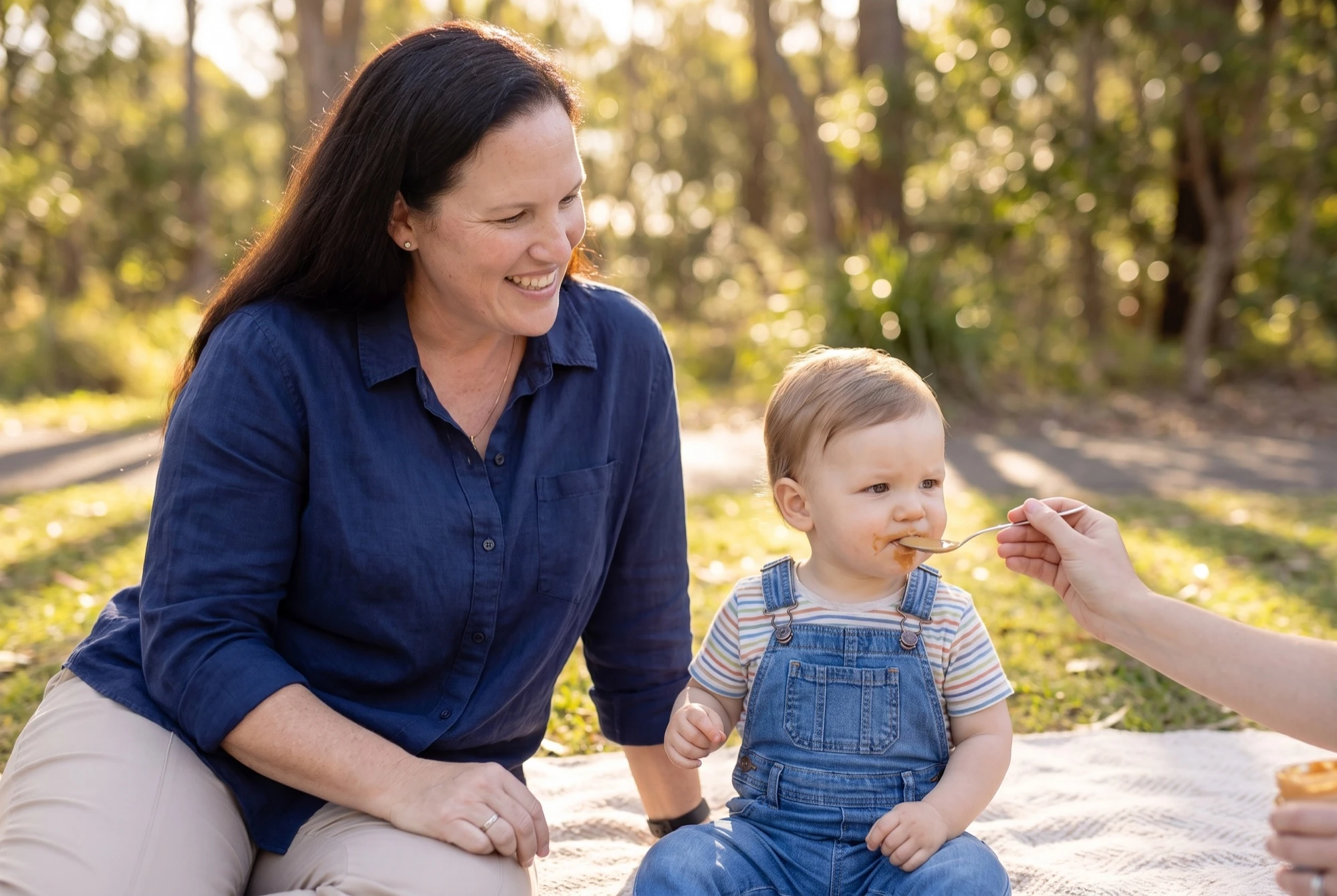
Introducing peanut in the first year: what the evidence actually says
Early peanut introduction cuts allergy risk — but the how and when still worry parents. A plain-language walk through the current Australian guidance.
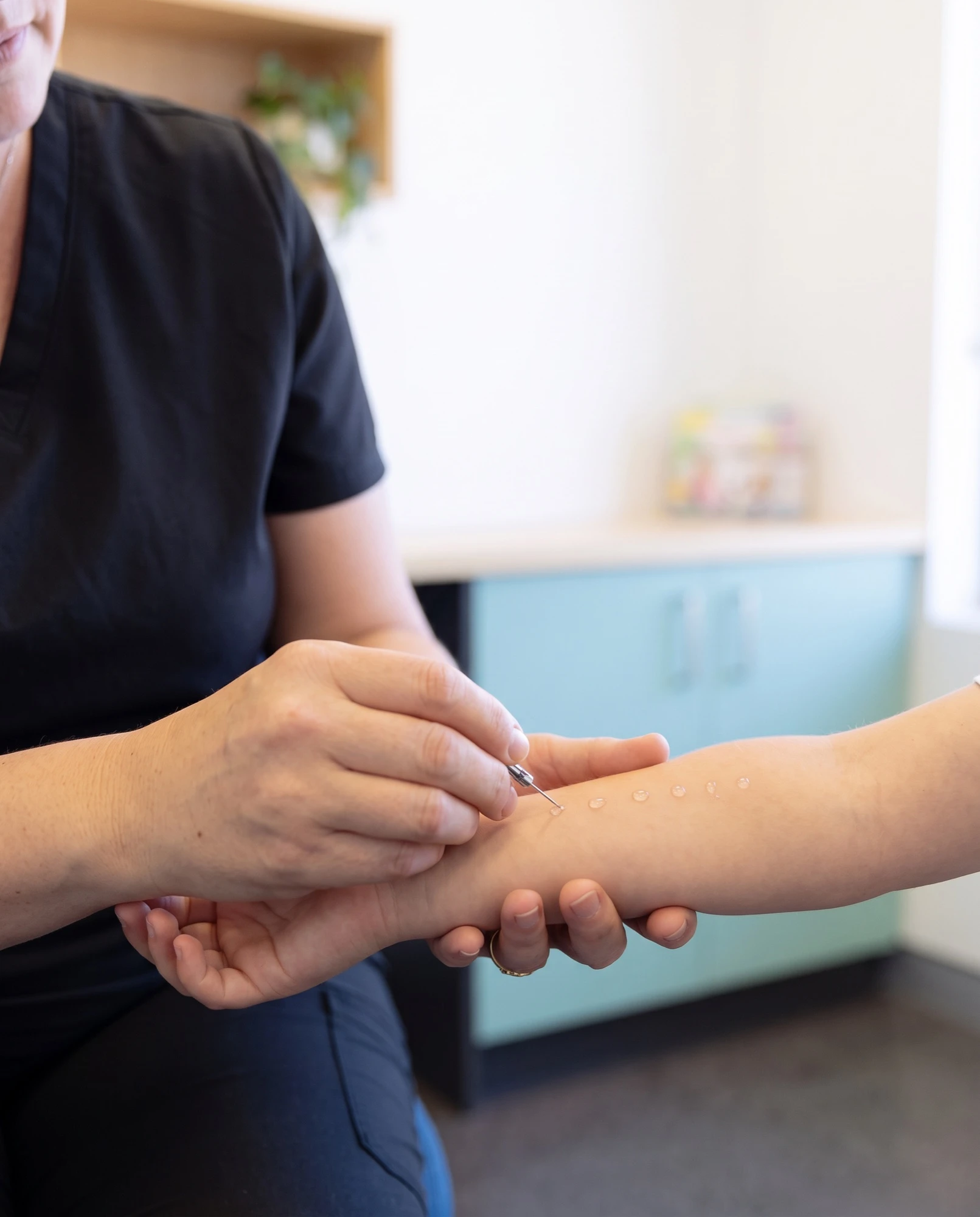
Skin-prick testing: what it feels like and how to prepare your child
It looks more dramatic than it feels. What happens during a skin-prick test, why antihistamines matter beforehand, and how results are read.